Showing posts with label Audi. Show all posts

Thursday, March 19, 2015

2015 Audi S3 Cabriolet

2015 Audi S3 Cabriolet
Dynamism in the open air - Audi presents the S3 Cabriolet. The open-top four-seater is unrivaled in its segment. Its 2.0 TFSI engine develops 221 kW (300 hp) and delivers 380 Nm (280.27 lb-ft) of torque but, with S tronic, consumes just 7.1 liters of fuel per 100 kilometers (33.13 US mpg) on average (165 grams of CO2 per kilometer [265.54 g/mile]). Of course, the S3 Cabriolet also makes use of quattro permanent all-wheel drive - the perfect foundation for optimal traction and driving dynamics in all road conditions. Absolute lightweight construction and a high-performance chassis complete the profile of the Audi S3 Cabriolet, which is set to arrive in dealerships in Germany this summer.

From a visual standpoint alone, the Audi S3 Cabriolet cuts a sporty figure. It is 4.43 meters (14.53 ft) long, has a wheelbase of 2.60 meters (8.53 ft), and is 1.79 meters (5.87 ft) wide and 1.39 meters (4.56 ft) tall. The proportions are extended and balanced elegantly; precise lines and muscularly arched surfaces define the flanks.

The open-top four-seater has a soft top with an electrohydraulic drive. Magnesium, aluminum and high-strength steel keep its weight low. A highly insulating foam layer in the roof reduces the noise level in the interior. The top is available in three colors. It opens or closes in 18 seconds, even while driving at speeds up to 50 km/h (31.07 mph). An active rollover system protects passengers in the event of an accident.

Many design details hint at the dynamic driving potential of the open-top four-seater. The Singleframe grille, surrounded by a chrome frame, features a platinum-gray insert and double cross-struts with an aluminum look. The air intakes are framed by powerful edges and filled with double ribs and honeycomb inserts. S3 badges adorn the front and rear. The 12 paint colors include the exclusive Panther Black, crystal effect and Sepang Blue, pearl effect.
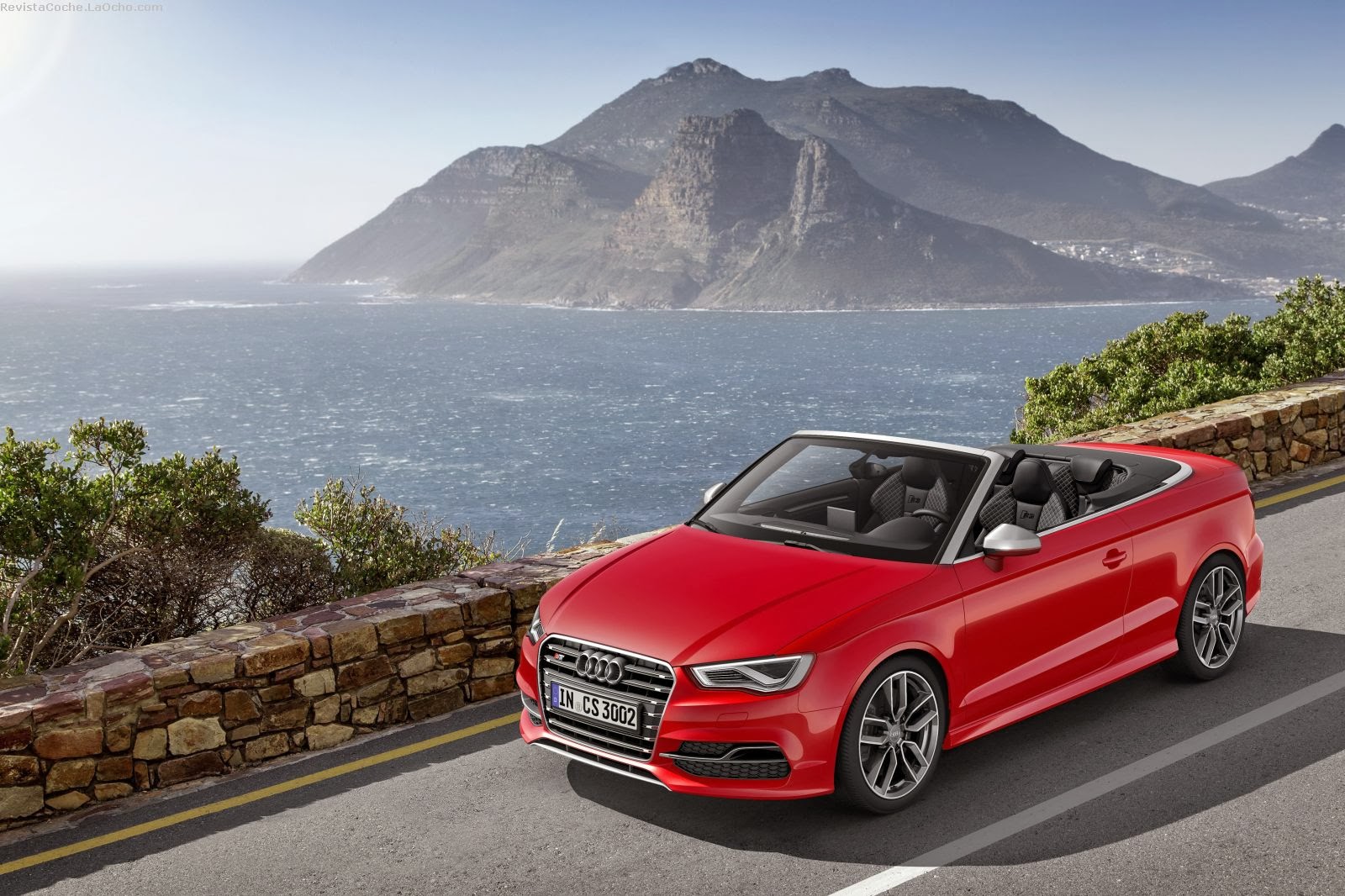
Aluminum strips on the windshield frame and beltline, aluminum-look exterior mirror housings and edged sill trims define the sides. The taillights are equipped with LEDs as standard. The luggage compartment lid has a spoiler edge, and the bumper has been redesigned. An aluminum-look bar and four vertical ribs give shape to the platinum-gray diffuser, which frames the four tailpipes typical of Audi S models.

Star athlete: The 2.0 TFSI

The Audi S3 Cabriolet is powered by a top-of-the-line 2.0 TFSI, which delivers 221 kW (300 hp) between 5,500 rpm and 6,200 rpm and produces 380 Nm (280.27 lb-ft) of torque from 1,800 to 5,500 rpm. With S tronic the open-top four-seater accelerates to 100 km/h (62.14 mph) in 5.4 seconds. The top speed of 250 km/h (155.34 mph) is limited electronically. When empty (without the driver), the Audi S3 Cabriolet weighs just 1,620 kilograms (3,571.49 lb). The passenger compartment consists primarily of ultra-high-strength steel, and the hood is made of aluminum.

The turbocharged 2.0 TFSI, which displaces 1,984 cc (bore x stroke 82.5 x 92.8 millimeters), is a true sports engine. Heavy-duty aluminum pistons and higher-strength connecting rods transmit the forces to the crankshaft. The aluminum-silicon alloy used for the cylinder head combines high thermal stability and strength with minimal weight. Two balance shafts ensure supremely smooth running performance.

With its dynamic character, the four-cylinder offers up a fascinating driving experience. When the standard Audi drive select dynamic driving system is operating in dynamic mode, it has a heightened throttle response, and the engine revs up briefly when the S tronic shifts gears. The sound flaps in the exhaust system open as the load and rpms increase.

The turbocharger provides charging pressures of up to 1.2 bars, and a powerful intercooler greatly reduces the temperature of the compressed air. The so-called drumble (swirl and tumble) flaps direct incoming air in a targeted manner. The camshaft can be offset by 60 degrees relative to the crankshaft on the intake side and by 30 degrees on the exhaust side. In addition, the Audi valvelift system (AVS) regulates the valve lift in two stages.

In the NEDC cycle, the Audi S3 Cabriolet with S tronic requires just 7.1 liters of fuel per 100 kilometers (33.13 US mpg) (165 grams of CO2 per kilometer [265.54 g/mile]). The technologies from the Audi modular efficiency platform contribute to this impressive figure. Of particular interest here is the additional indirect injection into the intake manifold, which replaces the gasoline direct injection FSI in the part-load range, where it lowers fuel consumption and particulate emissions.

And the 2.0 TFSI is also at the leading edge in terms of thermal management. Two rotary valves combined in one module regulate the flow and temperature of the coolant. The exhaust manifold is integrated in the cylinder head where coolant is circulating; this solution reduces the temperature of the exhaust gases, which improves fuel economy at full load. An additional advantage is faster warming of the engine during cold starting. And the friction-lowering coating of the piston skirts, the rolling bearings in the balance shafts, the on-demand oil pump and the start-stop system all do their part to improve efficiency.

Lightning-fast: The drivetrain

In the standard six-speed S tronic transmission, the bottom gears are close-stepped for a sporty effect, whereas the long gear ratio of the top gear lowers rpms and therefore fuel consumption. The driver can operate the lightning-fast dual-clutch transmission in the automatic D and S modes or take control using the gearshift lever in the touch control gate or the optional paddles on the steering wheel.

An attractive efficiency function of the six-speed S tronic is the one-way clutch. It becomes active when Audi drive select is in efficiency mode and the driver steps off the accelerator. During a starting maneuver at full throttle from a standstill, Launch Control, another feature of the dual-clutch transmission, ensures that the power of the engine is transmitted to the road with a defined tire slip.

quattro - traction and dynamics

Typical of the S model line: Of course, the S3 Cabriolet also makes use of quattro permanent all-wheel drive - the perfect foundation for optimal traction and driving dynamics in all road conditions. Only Audi offers permanent all-wheel drive in a compact-class convertible car.

Its characteristic strength lies in the enhanced slip-free acceleration, driving dynamics, driving safety and directional stability that it delivers. The powerful compact car is dynamic and stable at any speed, even in difficult winter conditions. When exiting a corner, it securely transmits its power to the road, while its two-wheel-drive competitors have to struggle for grip.

The centerpiece of the quattro drive for the Audi models with transversely mounted engines is the redesigned electronically controlled hydraulic multi-plate clutch. The compact, robust clutch is located at the end of the prop shaft, in front of the rear axle differential, where it contributes to the balanced axle distribution despite its relatively low weight. Inside is a package of plates that rotate in an oil bath. The metal friction rings are arranged behind one another in pairs - one ring of each pair is rigidly meshed with the housing, which rotates with the prop shaft. The other ring is meshed with the output shaft to the rear axle differential.

In normal conditions, the clutch sends most of the engine's power to the front wheels. If traction decreases there, the clutch can transfer torque continuously to the rear axle by forcing the packages of plates together via controlled action.

Dynamics made by Audi: The chassis

The chassis with its eager, precise response and high stability brings the dynamic quality of the Audi S3 Cabriolet to perfection. The axle load distribution is superbly balanced at 56:44; the rear-inclined installation position of the engine contributes to this, as does the front axle situated far to the front. Both solutions are from the Group's modular transverse platform. The subframe and pivot bearing on the front suspension are made of aluminum, and a four-link structure is used for the rear axle.

Compared with the Audi A3 Cabriolet (combined fuel consumption in l/100 km: 6 - 4,2 [39,2 - 56 US mpg]; combined CO2 emission in g/km: 140 - 110 [225,3 - 177 g/mile]), the body is 25 millimeters (0.98 in) lower due to the S sport suspension. With the standard progressive steering, the rack-and-pinion is designed such that the steering ratio becomes more direct with steering-wheel motion - thus sportiness and comfort complement each other perfectly. The electromechanical progressive steering, which adapts its assistance to the speed, enables various optional assistance systems.

As part of the standard specification, the Audi S3 Cabriolet is fitted with 225/40 R18 tires, on 8Jx18 aluminum wheels in five-parallel-spoke design with a machine-polished silver finish. To reduce weight, the wheels are made using an aluminum flow forming process. Audi also offers optional 18- or 19-inch wheels in various designs.

Measuring 340 millimeters (13.39 in) in diameter, the front brake discs are very large, with black - or optionally red - calipers emblazoned with S3 logos. The electromechanical parking brake is integrated into the rear brake system. The ESC electronic stabilization control manifests itself in a new stage of evolution. Before reaching the handling limits, a finely metered braking torque is applied unnoticeably to the inside front wheels. This improves the car's agility, thus complementing the work of the quattro drive.

The standard Audi drive select dynamic driving system controls the engine/transmission characteristics and steering assistance, as well as the S tronic. The driver can select comfort, auto, dynamic, efficiency or individual mode. Audi drive select also incorporates the optional Audi magnetic ride damper control system.

Cool black: The interior

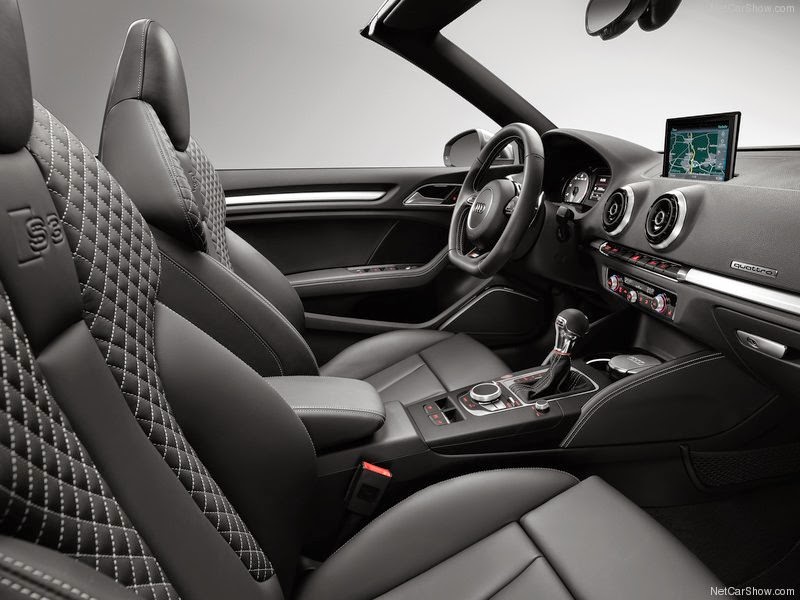
Draped completely in black, the interior of the S3 Cabriolet has a clean, elegant appearance. As with every Audi, its operation is easy and the finish is of superior quality. There is room for two adults in the rear, and the easy entry feature makes getting in easier. The 285 liter (10.06 cubic ft) luggage compartment can be expanded by folding down the rear seat backs; its volume is 245 liters (8.65 cubic ft) when the top is down.

Fine details emphasize the dynamic character of the open-top four-seater. The standard inlays are made of matt brushed aluminum, and many of the controls gleam in an aluminum look. The instrument dials are in S-specific dark gray metallic and the digits and needles are white. A three-dimensional S3 logo and a boost pressure indicator complete the tachometer. The color driver information system is standard; the power-retractable on-board monitor (standard with the MMI radio and above) powers up to display a special S3 screen.

The sport seats guide and support the body. The seat surfaces can be pulled out, and the backrests have embossed S3 logos. The upholstery is a mix of Pearl Nappa leather and fabric. Combinations of Alcantara and Pearl Nappa leather or Fine Nappa leather and Velvet leather are available as options. Contrasting stitching adds visual touches. Other alternatives include the S sport seats with integrated head restraints and shoulder panels with diamond stitching and the Audi design selection in parade red. A special color pigment on all leather trim prevents seats from heating up too much in the sun.

The standard package for the Audi S3 Cabriolet also includes a sport leather steering wheel with the S3 emblem. A leather multifunction sport steering wheel with a flat-bottomed rim is available on request, also with optional shift paddles. Other standard features are the pedals and footrests made from brushed stainless-steel. In combination with the optional convenience key, a red ring adorns the start-stop button. The aluminum door sills bear S3 logos. Other standard features include the anti-theft alarm, deluxe automatic air conditioning, Xenon plus headlights and the storage and luggage compartment package.

On a par with the full-size class: The options

The range of available options is also highly attractive and includes head-level heating in the front seats, LED headlights and the convenience key, to name just a few. MMI navigation plus with MMI touch and a high-resolution seven-inch monitor top the infotainment range. The supplementary Audi connect module delivers the brand's customized Internet services to the car using the fast LTE standard. The Bang & Olufsen Sound System ups the ante with 13 speakers.

The driver assistance systems include the standard rest recommendation as well as adaptive cruise control, Audi side assist, Audi active lane assist, camera-based traffic sign recognition, park assist with selective display and the Audi pre sense safety system. Delivery of the S3 Cabriolet in Germany will commence in summer - for a base price of 48,500 euros.

Source:netcarshow.com

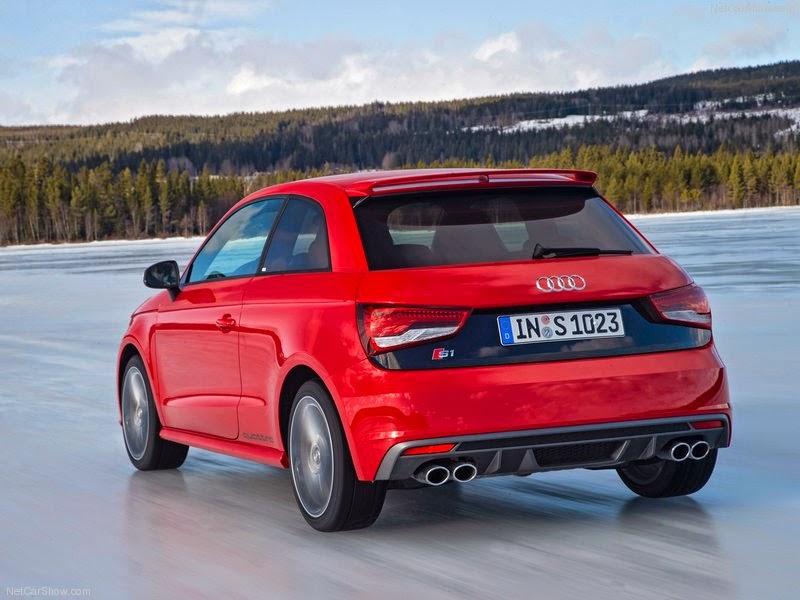
2015 Audi S1 Sportback

2015 Audi S1 Sportback
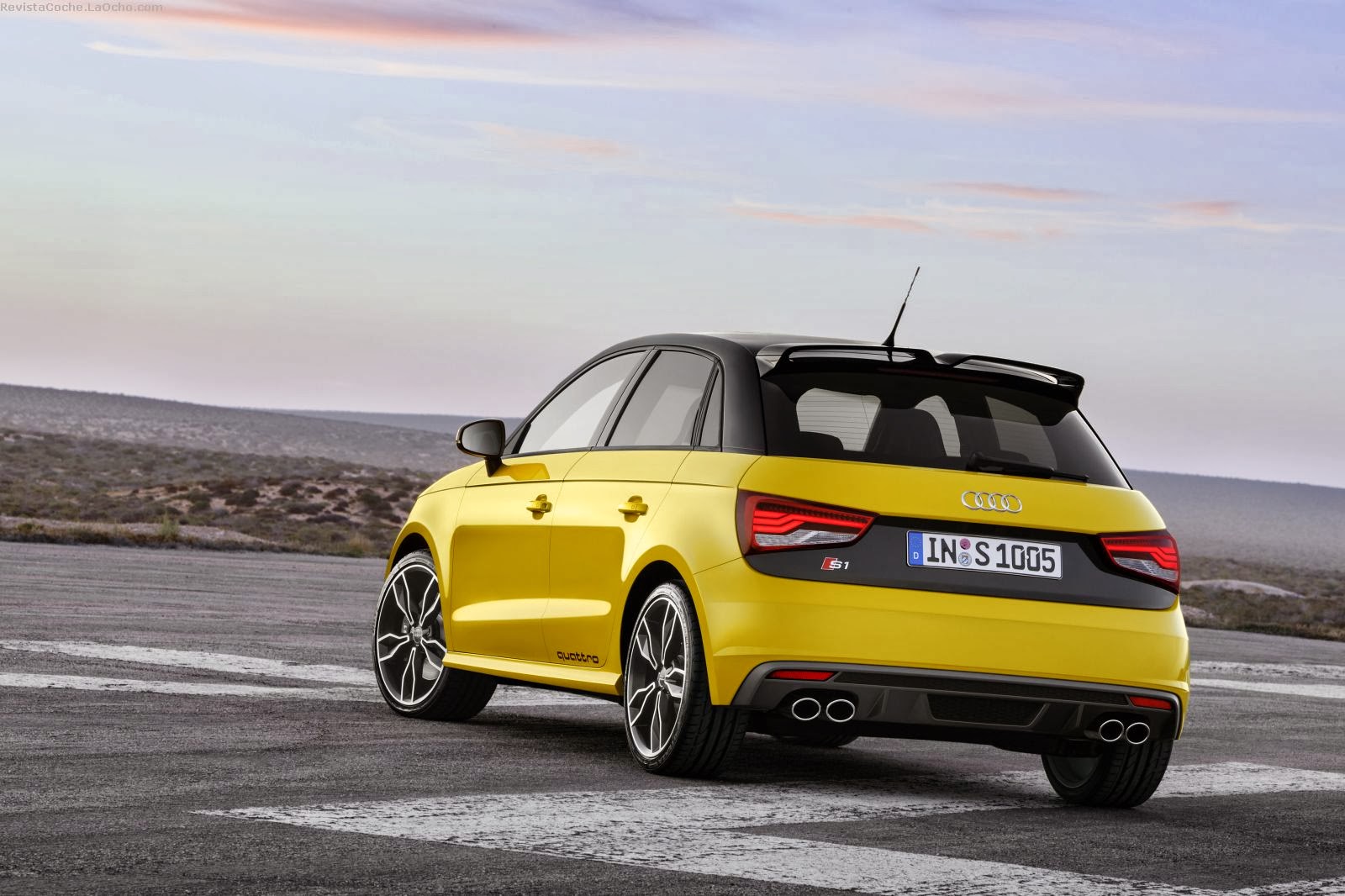
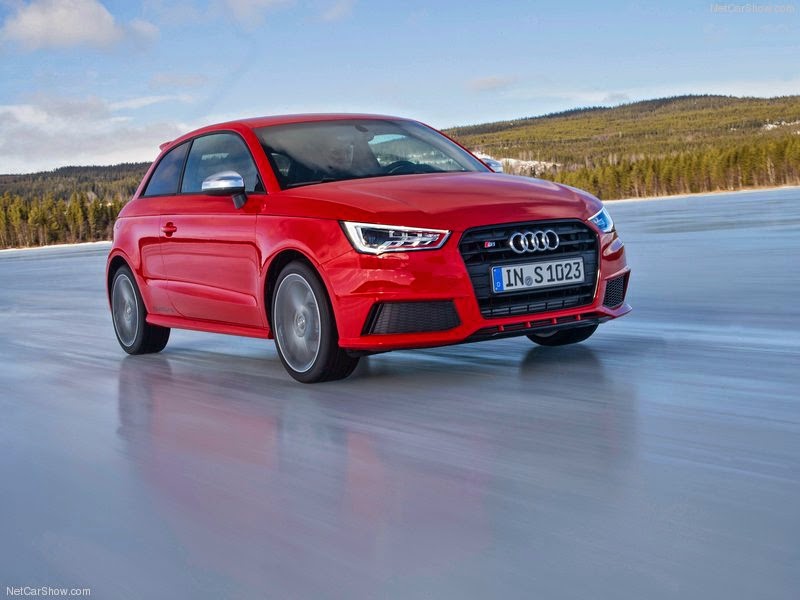
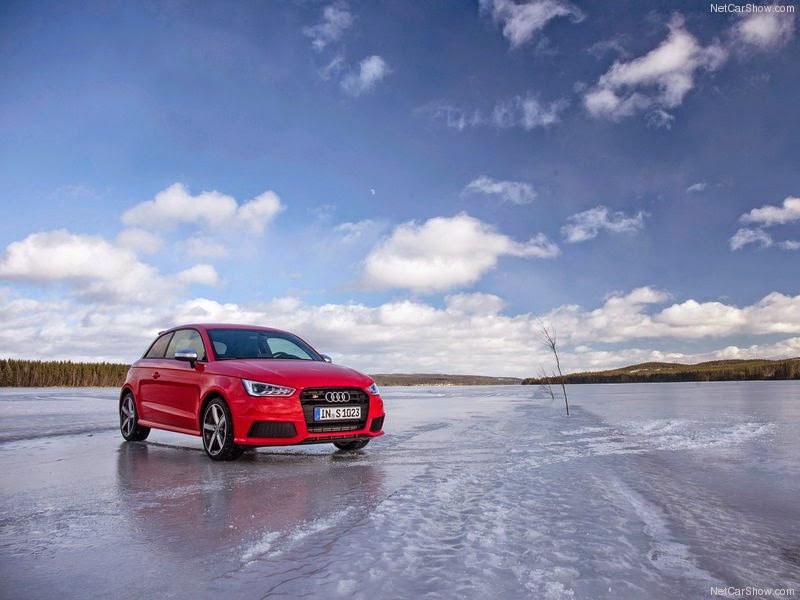
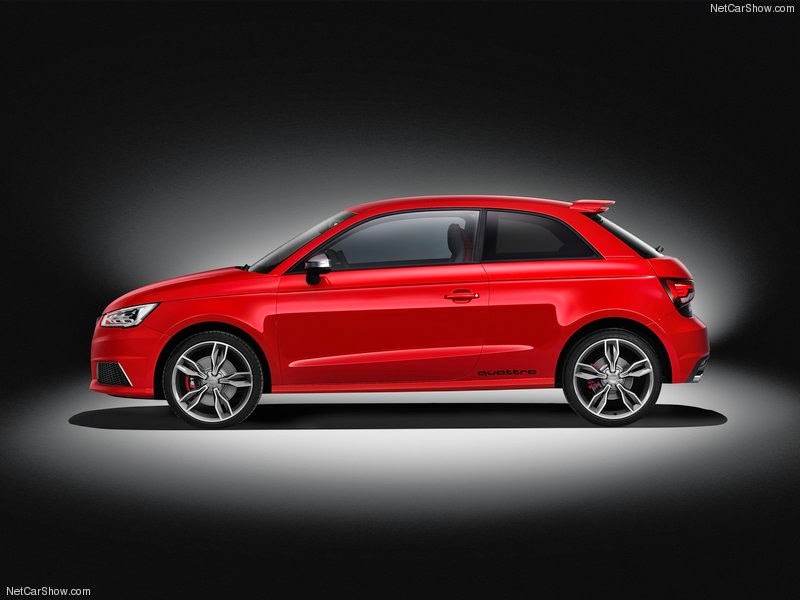
A great name makes a comeback: Audi is presenting the S1 and the S1 Sportback, the new flagship models in the compact A1 model line. Their 2.0 TFSI develops 170 kW (231 hp) and produces 370 Nm (272.90 lb-ft) of torque; the quattro permanent all-wheel drive and the extensively revamped suspension put the power effortlessly down onto the road. The Audi S1 and the S1 Sportback set the benchmark in their class for dynamic performance.

Back in the 1980s an Audi S1 garnered a legendary reputation - it was the car that would see the brand dominate the World Rally Championship in its day. Now the abbreviation is coming back - but this time as a road-going version: the Audi S1 and the S1 Sportback constitute the new flagship models in the compact A1 model line, adding an entry-level version to the Audi S model portfolio.

"The Audi S1 offers all the virtues of a sports car, great performance, direct handling and permanent quattro drive that puts the power to the road in a superior way," says Prof. Dr. Hackenberg, Audi Board Member for Technical Development, adding: "The quattro drive has a large following of fans, which is sure to become even larger thanks to the offering in this segment."

A high-performance four-cylinder unit provides the drive. The 2.0 TFSI fitted with a turbocharger develops 170 kW (231 hp) and produces up to 370 Nm (272.90 lb-ft) of torque. The two-liter engine accelerates the Audi S1 and the S1 Sportback from 0 to 100 km/h (62.14 mph) in 5.8 and 5.9 seconds respectively. The top speed is 250 km/h (155.34 mph). On average the sporty, sonorous TFSI consumes just 7.0 (33.60 US mpg) or 7.1 (33.13 US mpg) liters of fuel per 100 kilometers (162 and 166 grams CO2 per kilometer [260.71 g/mile / 267.15 g/mile]) respectively.
Like all Audi S models, the S1 and the S1 Sportback also come with quattro permanent all-wheel drive onboard. At its heart is a hydraulic multi-plate clutch located on the rear axle. Its specifically tuned control software boasts a decidedly dynamic setup. The electronic differential lock with the fine-tuned wheel-selective torque control is a function of the Electronic Stabilization Control (ESC). It features two-stage deactivation and supplements the work of the multi-plate clutch with additional finely metered braking intervention on the inside wheels - the interaction of both systems makes for extremely agile, precise and stable handling.

The suspension on the two compact sport models has been extensively revamped. The electromechanical power steering has been developed. Modified pivot bearings on the front axle enhance spontaneity when turning. At the rear a four-link design replaces the compound link rear suspension used on the A1 models. The setup is sporty and firm; the Audi drive select dynamic handling system comes with a range of settings to vary the response of the engine, automatic air conditioning and the likewise standard variable shock absorbers.

A larger brake master cylinder as well as large brake discs - front 310 millimeters (12.20 in) in diameter - ensure excellent deceleration. Red brake calipers with S1 logo can be ordered as an option. The two sporty compact models are supplied ex factory with 17-inch wheels with 215/40 R17 tires; Audi offers 18-inch wheels with 225/35 R18 tires as an option.

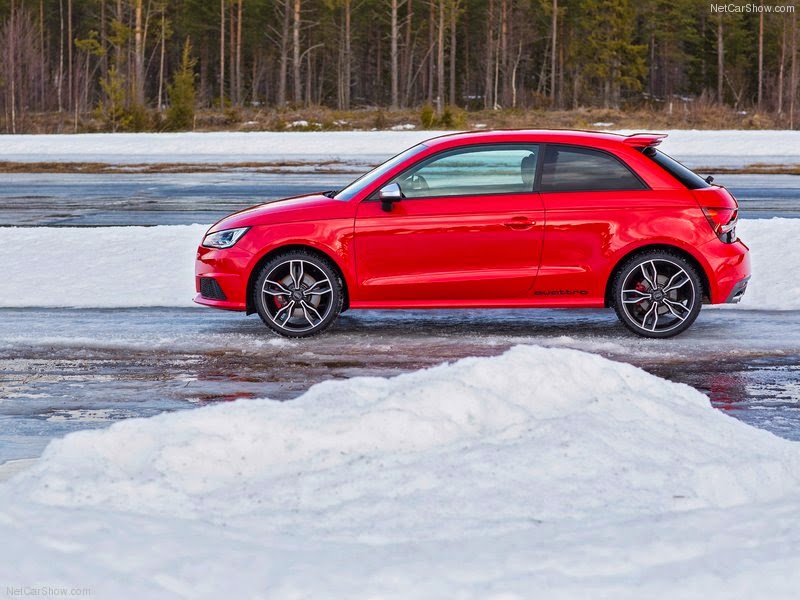
The Audi S1 and the S1 Sportback are instantly recognizable as the flagship models in the A1 model line. Their xenon plus headlights are all-new while the LED rear lights come with new, horizontally structured graphics. A host of details - particularly on the front and rear bumper, the side sills and the exhaust system - boast more striking styling. Four new exterior colors supplement the available paint finishes. The optional quattro exterior styling package hones the look further, courtesy of features such as a large roof spoiler.

The interior of the two compact sport models is finished in dark tones; black dominates, including on the air vent sleeves. The instruments feature S-specific dark-gray scales; the pedal caps are made out of brushed stainless steel. As an alternative to the standard sport seats, Audi fits the S sport seats with integrated head restraints. The quattro interior styling package can be selected as an option to add striking color accents.

The price of the Audi S1 and the S1 Sportback, which will be available at dealers in Germany in the second quarter of 2014, will be €29,950 and €30,800 respectively. The extensive standard equipment can be supplemented with optional high-end features such as the convenience key, the MMI navigation plus with fold-out color monitor or the Bose surround sound system. The Audi connect module including car phone provides a connection to the Internet, allowing passengers to access the Internet and send e-mails on their mobile devices via a Wi-Fi hotspot, while the driver enjoys in-car access to tailor-made services from Audi connect.

Source:netcarshow.com

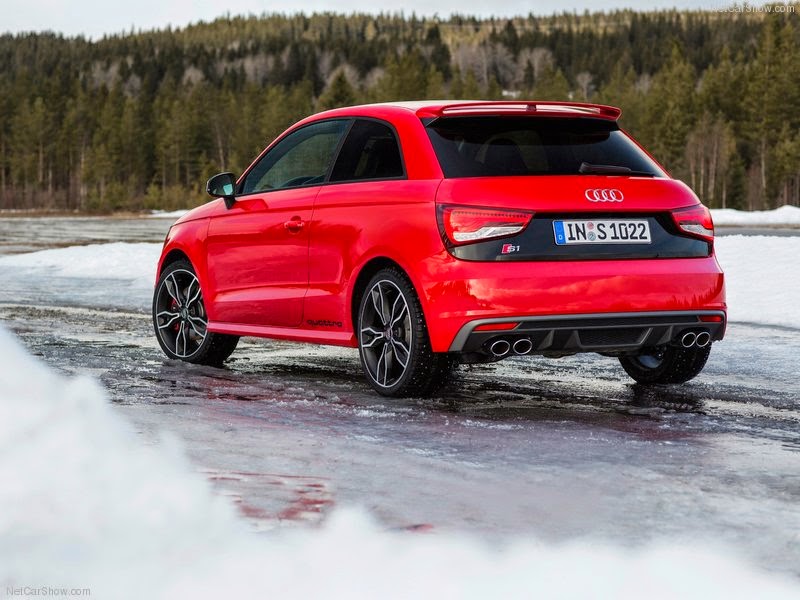
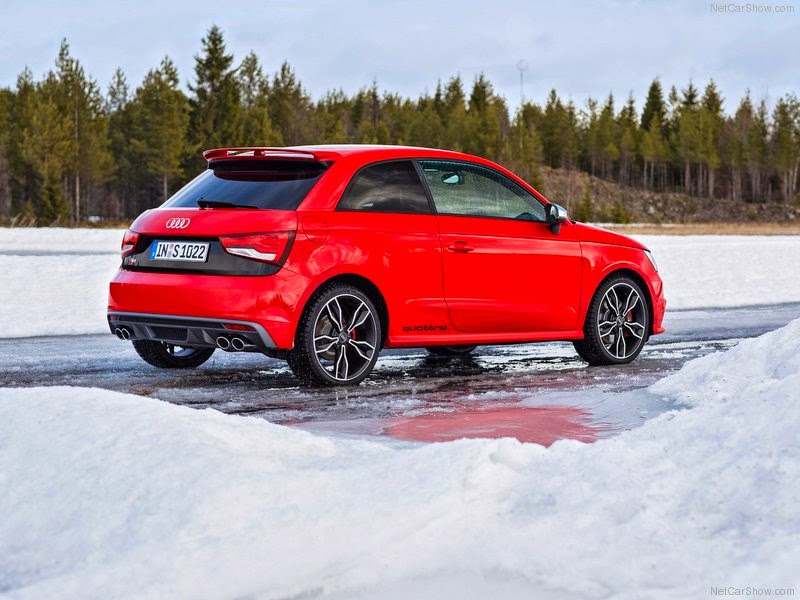
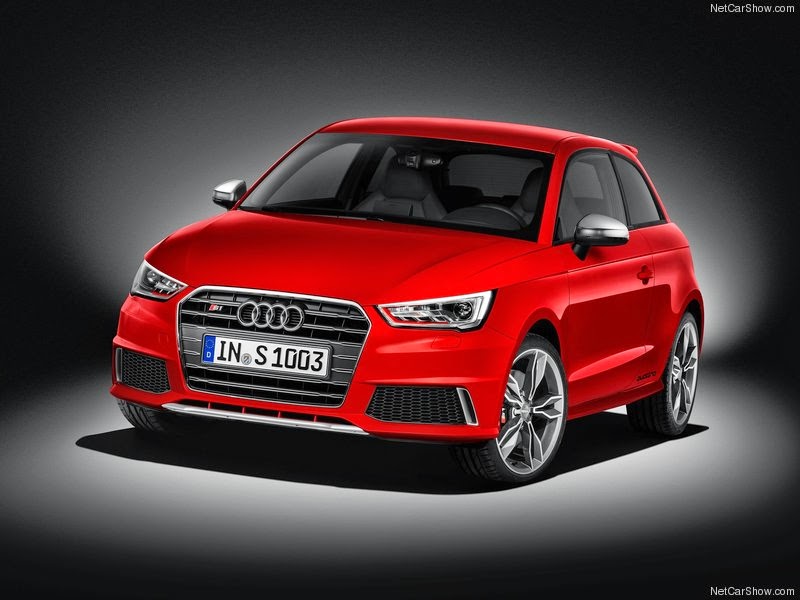
2015 Audi S1

2015 Audi S1 
A great name makes a comeback: Audi is presenting the S1 and the S1 Sportback, the new flagship models in the compact A1 model line. Their 2.0 TFSI develops 170 kW (231 hp) and produces 370 Nm (272.90 lb-ft) of torque; the quattro permanent all-wheel drive and the extensively revamped suspension put the power effortlessly down onto the road. The Audi S1 and the S1 Sportback set the benchmark in their class for dynamic performance.

Back in the 1980s an Audi S1 garnered a legendary reputation - it was the car that would see the brand dominate the World Rally Championship in its day. Now the abbreviation is coming back - but this time as a road-going version: the Audi S1 and the S1 Sportback constitute the new flagship models in the compact A1 model line, adding an entry-level version to the Audi S model portfolio.

"The Audi S1 offers all the virtues of a sports car, great performance, direct handling and permanent quattro drive that puts the power to the road in a superior way," says Prof. Dr. Hackenberg, Audi Board Member for Technical Development, adding: "The quattro drive has a large following of fans, which is sure to become even larger thanks to the offering in this segment."

A high-performance four-cylinder unit provides the drive. The 2.0 TFSI fitted with a turbocharger develops 170 kW (231 hp) and produces up to 370 Nm (272.90 lb-ft) of torque. The two-liter engine accelerates the Audi S1 and the S1 Sportback from 0 to 100 km/h (62.14 mph) in 5.8 and 5.9 seconds respectively. The top speed is 250 km/h (155.34 mph). On average the sporty, sonorous TFSI consumes just 7.0 (33.60 US mpg) or 7.1 (33.13 US mpg) liters of fuel per 100 kilometers (162 and 166 grams CO2 per kilometer [260.71 g/mile / 267.15 g/mile]) respectively.
Like all Audi S models, the S1 and the S1 Sportback also come with quattro permanent all-wheel drive onboard. At its heart is a hydraulic multi-plate clutch located on the rear axle. Its specifically tuned control software boasts a decidedly dynamic setup. The electronic differential lock with the fine-tuned wheel-selective torque control is a function of the Electronic Stabilization Control (ESC). It features two-stage deactivation and supplements the work of the multi-plate clutch with additional finely metered braking intervention on the inside wheels - the interaction of both systems makes for extremely agile, precise and stable handling.

The suspension on the two compact sport models has been extensively revamped. The electromechanical power steering has been developed. Modified pivot bearings on the front axle enhance spontaneity when turning. At the rear a four-link design replaces the compound link rear suspension used on the A1 models. The setup is sporty and firm; the Audi drive select dynamic handling system comes with a range of settings to vary the response of the engine, automatic air conditioning and the likewise standard variable shock absorbers.

A larger brake master cylinder as well as large brake discs - front 310 millimeters (12.20 in) in diameter - ensure excellent deceleration. Red brake calipers with S1 logo can be ordered as an option. The two sporty compact models are supplied ex factory with 17-inch wheels with 215/40 R17 tires; Audi offers 18-inch wheels with 225/35 R18 tires as an option.

The Audi S1 and the S1 Sportback are instantly recognizable as the flagship models in the A1 model line. Their xenon plus headlights are all-new while the LED rear lights come with new, horizontally structured graphics. A host of details - particularly on the front and rear bumper, the side sills and the exhaust system - boast more striking styling. Four new exterior colors supplement the available paint finishes. The optional quattro exterior styling package hones the look further, courtesy of features such as a large roof spoiler.

The interior of the two compact sport models is finished in dark tones; black dominates, including on the air vent sleeves. The instruments feature S-specific dark-gray scales; the pedal caps are made out of brushed stainless steel. As an alternative to the standard sport seats, Audi fits the S sport seats with integrated head restraints. The quattro interior styling package can be selected as an option to add striking color accents.

The price of the Audi S1 and the S1 Sportback, which will be available at dealers in Germany in the second quarter of 2014, will be €29,950 and €30,800 respectively. The extensive standard equipment can be supplemented with optional high-end features such as the convenience key, the MMI navigation plus with fold-out color monitor or the Bose surround sound system. The Audi connect module including car phone provides a connection to the Internet, allowing passengers to access the Internet and send e-mails on their mobile devices via a Wi-Fi hotspot, while the driver enjoys in-car access to tailor-made services from Audi connect.

Source:netcarshow.com

2015 Audi RS Q3

2015 Audi RS Q3
The new Audi RS Q3, the dynamic spearhead of the Q3 model series, is now even more distinctive and powerful. Its 2.5 TFSI engine satisfies the Euro 6 standard and produces 250 kW (340 hp) and 450 Nm (331.9 lb-ft) of torque, the latter between 1,600 and 5,300 rpm. The sprint from 0 to 100 km/h (62.1 mph) takes just 4.8 seconds, and top speed is electronically limited to 250 km/h (155.3 mph). Average fuel consumption is 8.4 liters per 100 kilometers (28.0 US mpg), corresponding to 198 g CO2 per kilometer (318.7 g/km). The start stop system and the regulated oil pump contribute to this good value.

4.8 seconds from 0 to 100 km/h (62.1 mph): the Audi RS Q3

The Audi RS Q3 was updated concurrent with the Q3. The compact performance SUV is now hotter and more dynamic than ever. Its 2.5 liter, five-cylinder engine now produces 250 kW (340 hp) and 450 Nm (331.9 lb-ft) of torque. It also now satisfies the Euro 6 standard. The top model in the series now accelerates from 0 to 100 km/h (62.1 mph) in 4.8 seconds on its way to an electronically governed top speed of 250 km/h (155.3 mph). An RS exhaust system with a switchable flap adds even more volume to the unmistakable sound of the five-cylinder engine.

The seven-speed S tronic, which transfers the power to the quattro drivetrain via a new hydraulic multi-plate clutch (5th generation), has also been refined for even faster gear changes. The lower gears are closely spaced for sporty response while the seventh gear is tall to save fuel.

The chassis of the Audi RS Q3 is also impressive. 19-inch wheels are standard; 20-inch wheels are optionally available. Thanks to the wave design, the large brake discs on the front axle are now one kilogram (2.2 lb) lighter. They are gripped by eight-piston calipers. The standard RS sport suspension is also available with optional adaptive dampers. The steering is tuned for sporty driving, and the Audi drive select dynamic handling system is standard.

Numerous design details illustrate the special status of the dynamic top-of-the-line model. On the exterior, the distinctive bumpers are particularly eye-catching. The color black dominates the interior. The sport seats are optionally available in Fine Nappa leather with diamond quilting; red needles sweep across gray dials in the instrument cluster; and the driver information system offers a special RS menu with lap timer and displays for both oil temperature and boost pressure.

The base price in Germany for the generously appointed new top model is 56,600 euros. LED headlights, among other features, are standard. Deliveries of the RS Q3 will begin in the first quarter of 2015.


Propulsion: 2.5 TFSI, S tronic and quattro all-wheel drive

Audi is bringing the performance philosophy to the compact SUV segment with the RS Q3. Its engine, whose 2,480 cc displacement results from a stroke of 82.5 millimeters (3.2 in) and a bore of 92.8 millimeters (3.7 in), is a modern classic. An international jury of journalists has named the five-cylinder unit International Engine of the Year in its class five years in a row since 2010. With its ample pulling power, free-revving character and inimitable sound, the 2.5 TFSI is guaranteed to cause goose bumps. At higher loads and rpm, a flap in the exhaust system opens to provide an even more voluminous sound.

The five-cylinder turbo's power flows to a modified seven-speed S tronic. Audi used optimized fine-tuning to further improve the seven-speed S tronic transmission's shift times. The driver can let the dual-clutch transmission do all the work in modes D and S, or can shift gears himself. Shift paddles on the steering wheel are standard. The lower gears are closely spaced for sporty response while the seventh gear is tall to save fuel. A launch control system manages full-throttle acceleration from a standing start.

The primary component of the quattro permanent all-wheel drive system is an updated multi-plate clutch. The hydraulically actuated and electronically controlled unit is mounted in front of the rear axle. Its electronic controller brings stability, traction and driving enjoyment into perfect harmony.

Ever more powerful performance: the RS sport suspension plus with damper control

The updated Audi RS Q3 offers impressively dynamic and safe handling. The taut RS sport suspension lowers the body by 20 millimeters (0.8 in) versus the Q3. Audi also offers the RS sport suspension with optional damper control. The adaptive dampers can be set to one of three modes using the standard Audi drive select system. The system also influences the accelerator, steering, S tronic, exhaust flap and the adaptive light (optional).

The Audi RS Q3 comes standard in Germany with 19-inch wheels, with 20-inch wheels available as an option. The front brake discs, which measure 365 millimeters (14.4 in) in diameter, have a weight-saving wave design and are gripped by black eight-piston calipers bearing RS logos. The electronic stabilization control offers a Sport mode and can also be deactivated entirely.

Differentiated: the design

Sharp visual accents demonstrate the potential of the new Audi RS Q3. The Singleframe grille - with a matt aluminum-look frame and high-gloss black honeycomb grille - has been redesigned, and a quattro logo adorns the air intake in the front bumper. The aluminum roof rails, long RS roof spoiler, updated LED taillights and xenon headlights, the modified rear bumper and the long, elliptical exhaust tailpipe complete the dynamic look. Four appearance packages, two each in matt aluminum-look and glossy black, provide for further customization. Sepang Blue pearl effect is available as an exclusive exterior color.

The dynamic line is echoed in the car's interior. The sport seats with embossed RS Q3 logos are covered in a combination of black Alcantara and leather, with Fine Nappa leather and Fine Nappa leather with diamond quilting available as options. High-gloss black, bright red and subtle aluminum applications set additional accents. The inlays come standard in black piano lacquer, and optionally in aluminum or carbon.

The instrument cluster has gray dials with white numbers and red needles; the multifunction steering wheel is flattened at the bottom. The color DIS display shows the boost pressure, oil temperature and a lap timer in a separate RS menu. The Audi RS Q3 also comes standard with the parking system plus, MMI radio, Audi sound system, sport seats and deluxe automatic air conditioning. The base price in Germany for the generously appointed new top model is 56,600 euros. LED headlights, among other features, are standard. Deliveries of the RS Q3 will begin in the first quarter of 2015.

Source:netcarshow.com

2015 Audi RS7 Sportback

2015 Audi RS7 Sportback
Dynamics in a new top form - Audi has honed the RS7 Sportback. The large five-door coupé comes with new LED headlights and even more enhanced infotainment features. With 412 kW (560 hp) and 700 Nm (516.3 lb-ft) of torque, its 4.0 TFSI engine provides for an impressive driving performance at a fuel consumption rate of only 9.5 liters per 100 kilometers (24.8 US mpg) with 221 grams CO2 per kilometer (355.7 g/mi).

"The Audi RS7 Sportback confirms the reputation of the RS models as the superior, top athletes of our brand," states Prof. Dr. Ulrich Hackenberg, Member of the Board of Management for Technical Development of AUDI AG. "The combination of a powerful four‑liter V8 engine with cylinder on demand technology, quattro drive and intelligent lightweight design makes the RS7 Sportback an outstanding piece of sports equipment for any fan of dynamic and yet efficient driving."

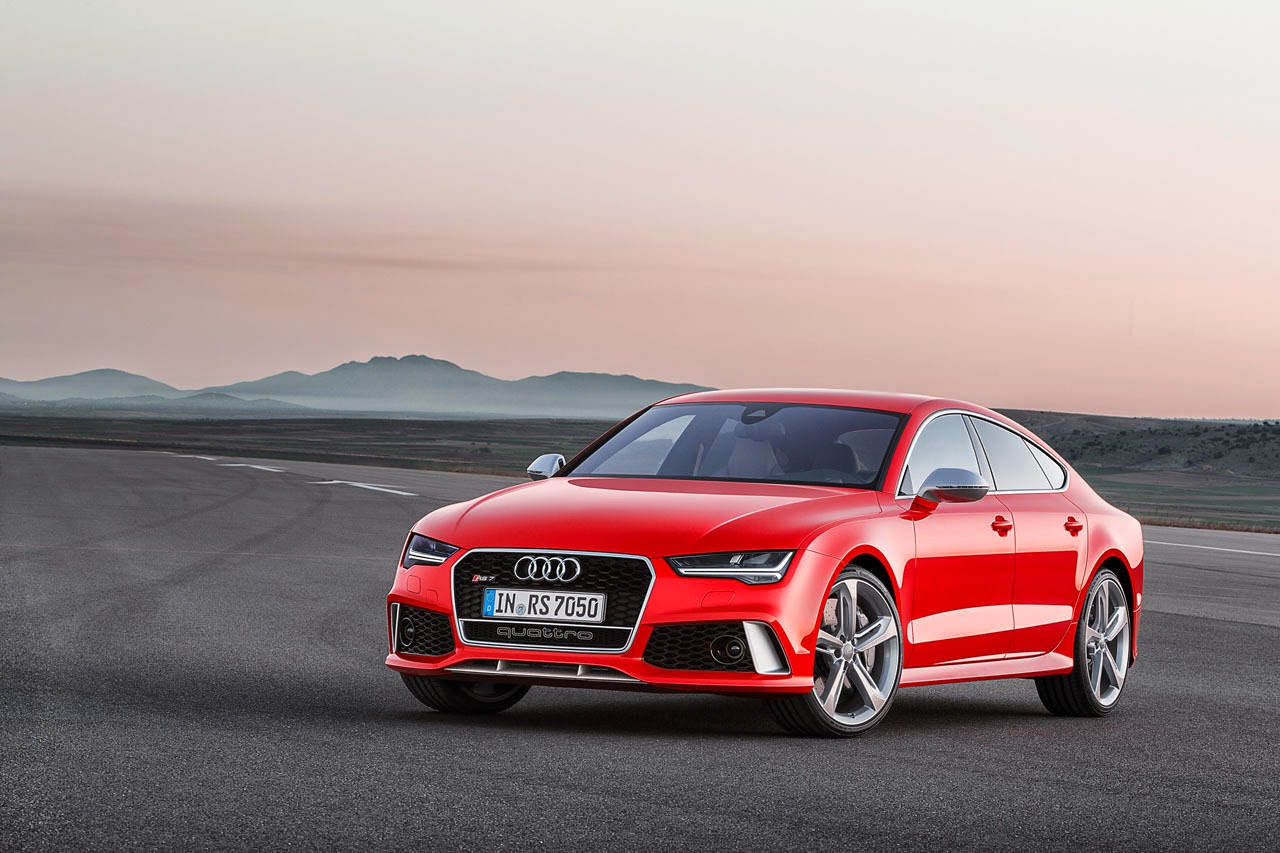
Even at first glance, the Audi RS7 Sportback reveals its dynamic character - the long engine hood, the sporty and flowing C‑pillars and the sharply sloping rear end form an aesthetic overall impression. New design details add striking touches. They include the Singleframe grille with the black honeycomb typical of RS models, with the corners now even sharper and more distinctive. Three optional packages - matt aluminum, gloss black and carbon - make the look of the RS7 Sportback even more distinctive. The central front air inlet bears the quattro lettering. Slight modifications have also been made to the bumper, with its distinctive air inlets.

The headlights, also adapted to the new Singleframe, come with LED technology as a standard feature. On request, Audi provides the headlights with the innovative Matrix LED technology, available exclusively on the RS7 Sportback with additionally darkened trims. This offer also includes turn signals with dynamic display at the front. At the rear they are generally standard. The tail lights also have a new interior design. New to the paint finishes are the colors Floret Silver, metallic; Glacier White, metallic; Mythos Black, metallic and Sepang Blue, pearl effect.

In the elegant black interior, dominated by the RS sport seats, the designers have discreetly revised the instrument cluster: the air outlet controls of the vent nozzles, the shift paddles behind the steering wheel and the quattro emblem on the instrument panel. The standard MMI navigation plus with MMI touch now uses the modular infotainment platform of the latest generation; its highlight is an efficient graphics processor from Audi's partner, Nvidia.

The 4.0 TFSI in the revised Audi RS7 Sportback provides as before 412 kW (560 hp), with a constant 700 Nm (516.3 lb‑ft) of torque at engine speeds between 1,750 and 5,500 rpm. The engine catapults the five‑door coupĂ© from 0 to 100 km/h (62.1 mph) in 3.9 seconds; the optional dynamics packages allow top speeds of 280 and 305 km/h (174.0 and 189.5 mph), respectively. In the ECE cycle however, the resonant V8 bi‑turbo needs only 9.5 liters of fuel per 100 kilometers (24.8 US mpg) with 221 grams CO2 per kilometer (355.7 g/mi). A key factor in this efficiency is the cylinder on demand (COD) system, which can shut down four cylinders during partial load operation.

An eight‑speed tiptronic tuned for sporty performance, with a tall eight gear, directs the power of the eight‑cylinder engine to the quattro permanent all‑wheel drive. On request, Audi will combine quattro all‑wheel drive with the optional sport differential on the rear axle.

The RS adaptive air suspension, together with adaptive damping, standard on the RS7 Sportback, lowers the body by 20 millimeters (0.8 in); its control is incorporated in the Audi drive select driving dynamics system. Audi offers the tauter RS sport suspension plus with Dynamic Ride Control (DRC) as an alternative. A further option is dynamic steering, with its continuously variable steering ratio.

The revised Audi RS7 Sportback is fitted with 20‑inch forged lightweight alloy wheels as a standard feature; 21‑inch cast aluminum wheels in three color versions are optionally available. The four internally ventilated brake disks have a weight‑saving wave design; alternatively Audi installs carbon fiber-ceramic disks. Electronic Stabilization Control (ESC) has a Sport mode that can be deactivated altogether if need be.

The Audi RS7 Sportback can be ordered in Germany from the 3rd quarter 2014. Its base price is €113,300.

Source:netcarshow.com
2015 Audi RS6 Avant

2015 Audi RS6 Avant
The winner in the business class has just gotten better - Audi has thoroughly updated the A6 family. New engines, transmissions and headlights, plus a new infotainment system make the Sedan and Avant more efficient, more powerful, more attractive and more sophisticated than ever. The versatile A6 allroad quattro and the S6, S6 Avant and RS6 sport models are also packed with numerous new features.

"With the new Audi A6, we are writing the next chapter in an excellent success story. It represents innovative technology and Audi's premium claim," says Prof. Dr. Ulrich Hackenberg, Board Member for Technical Development at AUDI AG. "The Audi A6 sets new standards in many technical fields: the lightweight body containing many aluminum components, the powerful and highly efficient engines, the sporty chassis and the advanced assistance and multimedia systems."

Sharp lines, emphasized horizontals, athletically taut surfaces - the design of the A6 models epitomizes precision and sporty elegance. It was carefully honed as part of the model refresh, with changes made to the Singleframe grille, the headlights, air inlets, bumpers, side sills, rear lights and tailpipes. Audi optionally offers headlights with LED technology or Matrix LED technology, combined with dynamic turn signals.

Thanks to its intelligent composite construction concept, the body is extremely rigid and safe. Numerous components of aluminum and hot-shaped steel form the backbone of a systematic lightweight construction concept. The new A6 1.8 TFSI has a curb weight (without driver) of just 1,535 kilograms (3384.1 lb). Vibrational comfort is excellent; cabin noise is extremely low.

The sinewy style of the exterior is echoed in the car's spacious interior. Every detail documents the uncompromising level of quality familiar to Audi drivers. Elegant colors and carefully selected materials emphasize the cultivated atmosphere. The new Audi design selection in the interior colors flint gray (A6 models) and salsa red (S6) address particularly discerning customers.

The front seats are available with optional ventilation and massage functions; the controls are simple. The MMI radio operating system and deluxe automatic air conditioning are standard. The luggage compartment of the Audi A6 Avant offers between 565 and 1,680 liters (20.0 and 59.3 cu ft) of space and many practical features. An optional sensor-controlled automatic tailgate combined with a power luggage compartment cover makes loading even easier.

The new A6 models are also way ahead of the competition when it comes to infotainment, with configurations ranging up to MMI navigation plus with MMI touch. The top-of-the-line navigation system with the power-retractable eight‑inch monitor is now based on a new technology platform that uses the fast Tegra 30 graphics chip from Audi's partner Nvidia. The supplemental module Audi connect transfers data via the fast LTE standard and brings tailored online services into the car, including new media streaming apps.

The range of driver assistance systems is also extremely attractive, topped by adaptive cruise control with stop & go function. Audi side assist, which uses radar to check behind the car when changing lanes, works closely together with Audi active lane assist, which prevents unintended lane changes. The night vision assistant now includes even more functions, and the Audi pre sense basic safety system is standard. Important information can be called up via the optional head‑up display.

Extensively updated: the engine lineup

The engine lineup for the new A6 and A6 Avant includes three TFSI units with output ranging between 140 kW (190 hp) and 245 kW (333 hp) and five TDI units ranging from 110 kW (150 hp) to 240 kW (326 hp). All engines comply with the limits of the Euro 6 emission standard, and their CO2 emissions have been reduced by as much as 22 percent. At Audi, the most efficient gasoline and diesel engines bear the "ultra" label. Combined with the all‑new S tronic transmission, the 1.8 TFSI ultra consumes just 5.7 liters of fuel per 100 kilometers (41.3 US mpg), corresponding to 133 grams CO2 per kilometer (214 g/mi). The 2.0 TDI ultra with 110 kW (150 hp) achieves the extremely low consumption figure - with no restrictions with respect to equipment - of 4.2 liters of fuel per 100 kilometers (56.0 US mpg) corresponding to 109 grams CO2 per kilometer (175.4 g/mi).

The top gasoline engine, the 3.0 TFSI, has been comprehensively revised. The engine developers have also completely redesigned numerous aspects of the 3.0 TDI clean diesel, which is available with either 160 kW (218 hp) or 200 KW (272 hp). The 3.0 TDI clean diesel biturbo produces 235 kW (320 hp). Another version with 240 kW (326 hp), which can be boosted briefly to 255 kW (346 hp), powers the A6 3.0 TDI competition and A6 Avant 3.0 TDI competition special‑edition models, with which Audi is celebrating the 25 years of TDI technology.

The high‑performance diesel is paired with an eight‑speed tiptronic. All other engine variants work together with either a newly designed six‑speed manual transmission that is particularly lightweight and low-friction, or a seven‑speed S tronic. In the versions with front-wheel drive, a fully redeveloped dual-clutch transmission replaces the multitronic. In engine configurations starting at 200 kW (272 hp), quattro permanent all‑wheel drive can be supplemented with the sport differential, which actively distributes power between the rear wheels.

The chassis with its sophisticated wheel suspensions also combines supreme comfort with sporty handling. The Audi drive select dynamic handling system is standard, and Audi offers a choice of two sport suspensions and adaptive air suspension as options. In the A6 Avant 2.0 TDI ultra with 140 kW (190 hp), the springs are made of glass fiber-reinforced polymer (GFRP) - an Audi innovation that saves approximately 4.4 kilograms (9.7 lb) of weight, reduces fuel consumption and improves both driving precision and vibrational comfort. The wheels measure between 17 and 20 inches in the diagonal.

Sophisticated and masculine - the new Audi A6 allroad quattro

The new Audi A6 allroad quattro, which is based on the A6 Avant, features a raised body and stainless steel linings that encapsulate the underside of the front and rear ends. The design is robust and masculine, with vertical slats in the Singleframe grille. There are four 3.0‑liter, V6 engines from which to choose - the 3.0 TFSI and three versions of the 3.0 TDI. The adaptive air suspension is standard.

Sportiness to the third power: the new S6, S6 Avant and RS6 Avant

The new Audi S6 and the S6 Avant are sports cars for everyday. The 4.0 TFSI, a biturbo V8 producing 331 kW (450 hp), accelerates the Sedan from 0 to 100 km/h (62.1 mph) in 4.4 seconds. The S6 Avant completes the sprint in 4.6 seconds. Average fuel consumption is just 9.2 liters per 100 kilometers (25.6 US mpg) in the Sedan and 9.4 liters (25.0 US mpg) in the Avant, the equivalent of 214 and 219 grams CO2 per kilometer (344 and 352.4 g/mi), respectively. This efficiency is due in large part to the cylinder on demand (COD) system, which only activates four of the eight cylinders when under part load.

Standard equipment in the new Audi S6 and S6 Avant includes quattro permanent all‑wheel drive and the adaptive air suspension, which lowers the body by 20 millimeters (0.8 in). Matt black brake calipers grip the front discs mounted behind the 19‑inch wheels.

The dynamic top model of the new A6 family is the Audi RS6 Avant. The high-performance sports car for everyday driving and recreation accelerates to 100 km/h (62.1 mph) in 3.9 seconds and reaches a top speed of 305 km/h (189.5 mph). Its 4.0 TFSI engine produces 412 kW (560 hp), yet consumes on average just 9.6 liters of fuel per 100 kilometers (24.5 US mpg, corresponding to 223 grams CO2 per kilometer (358.9 g/mi). The COD system is also largely responsible for this efficiency.

An eight‑speed tiptronic transfers the power from the biturbo V8. The standard quattro drivetrain uses a center differential with a higher locking rate. The RS adaptive air suspension lowers the body by 20 millimeters (0.8 in). Audi offers the taut RS sport suspension with Dynamic Ride Control (DRC) as an option. The large brake discs feature a weight-saving wave design, and the wheels measure 20 inches in diameter. 21‑inch wheels are available as an option.

Delivery of the new Audi A6 family will begin in fall 2014. The base price in Germany for the Sedan with the 1.8 TFSI will be €38,400; the A6 Avant 1.8 TFSI begins at €40,900 and the A6 allroad quattro 3.0 TDI at €56,650. The Audi S6 is priced at €75,400, and the Audi RS6 Avant lists for €108,900.

Source:netcarshow.com